What A “500mg Blend” Label Actually Tells You
A lot of supplement labels list a combined blend weight rather than breaking out each ingredient's individual amount. That's not automatically a red flag, but it does mean something specific.
Here's what a blend-style label actually discloses, and what it deliberately leaves out.
What you actually learn from a blend label
A label listing 'L-Arginine HCl, AAKG, L-Citrulline Malate: 500 mg' tells you three things reliably: which ingredients are present, that they're real and named (not hidden entirely), and the combined total weight of all three together.
What it does not tell you
It does not tell you how that 500 mg is split between the three ingredients. It's legally possible for one ingredient to make up the vast majority of the blend while the others are present in very small, more symbolic amounts. Without individual amounts, there's no way for an outside reviewer to verify the actual dose of any single component.
Why manufacturers use blends at all
There are a few honest reasons: protecting a specific ratio they consider proprietary, avoiding giving competitors an exact formulation to copy, or sometimes, less charitably, allowing a headline ingredient to appear on the label at a dose lower than what independent research actually used.
How to think about it as a buyer
A blend label isn't disqualifying on its own — plenty of legitimate products use them. But it does mean you're trusting the manufacturer's judgment on ratio rather than verifying it yourself. If exact per-ingredient dosing matters a lot to you, that's a legitimate reason to look elsewhere, or to combine standalone ingredients yourself instead.
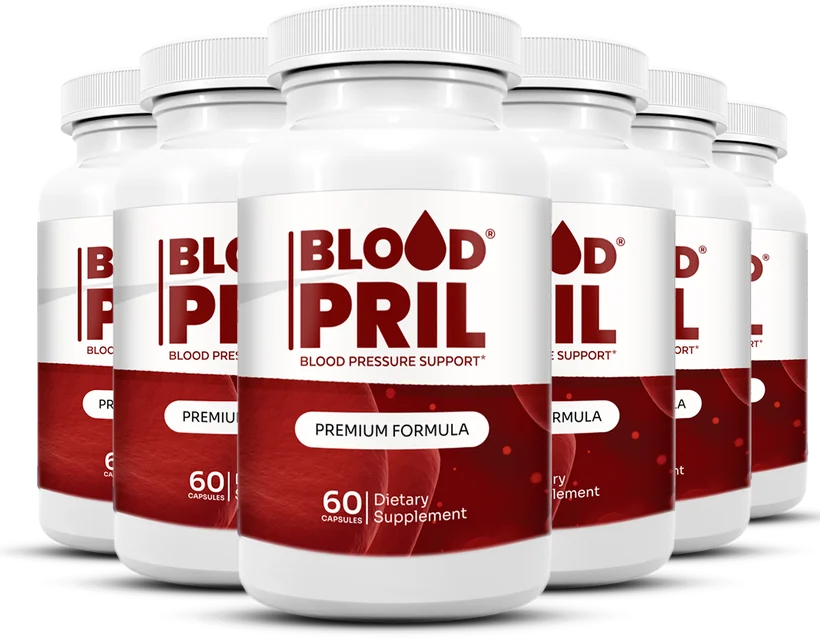
Applying this to BloodPril specifically
BloodPril's three amino acids sit inside one 500 mg blend, with the combined total disclosed but not the individual split. We'd genuinely prefer to see per-ingredient amounts, and we think that's worth factoring into your decision rather than pretending it doesn't matter.